

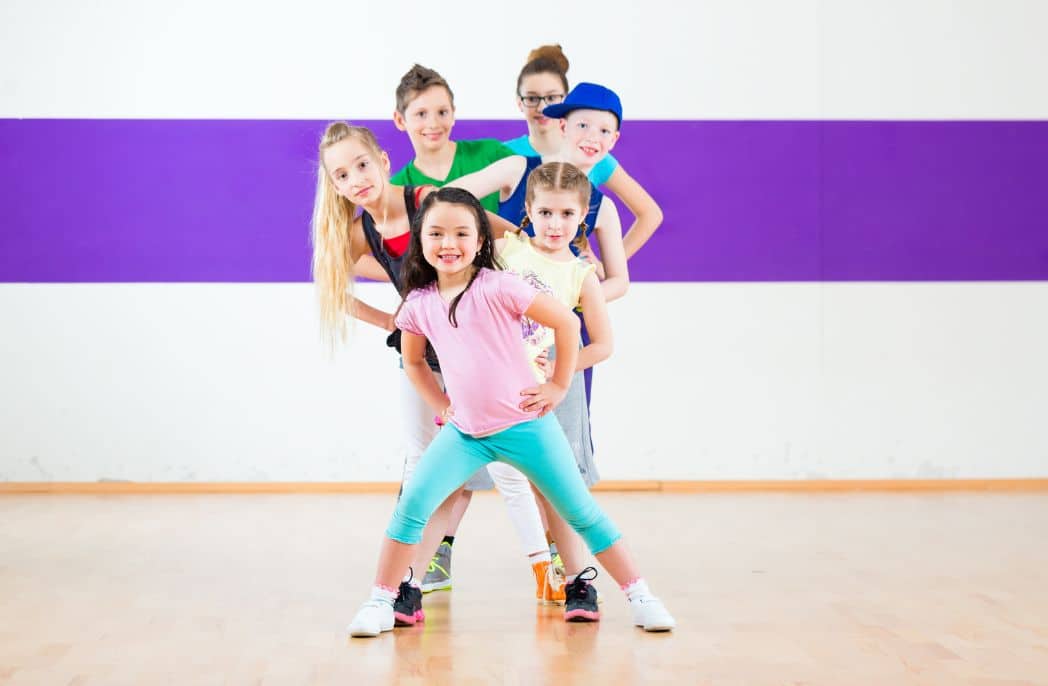
Why do Children like Hip Hop Dance?
Hip Hop Dance emerged in the Bronx, New York in the early 1970’s. Although though it is often looked at as a modern street style, it’s roots go much deeper. Even though it developed alongside hip hop music , DJing and graffiti culture, the basic steps derive from traditional African dance and early American dance forms such as tap. African dance brought full bodied expression and grounded movement; and tap percussive footwork and musicality. Together these influences helped shape the improvisational , rhythm -driven style that we know as hip hop dance today.
In hip hop’s earliest days the art form evolved at block parties. Dancers expressed themselves through breaking, popping and locking. Unlike studio-based formal dance forms, hip hop was created by the community; it truly came from the street.
Fast forward 50 years and Hip Hop continues to evolve as its popularity grows worldwide. Modern Hip Hop includes Afro-Fusion, Krumping, and Heels Fusion as well as other pop culture trends sometimes originating form TikTok dance challenges. Breakdancing or “Breaking” made its Olympic debut during the 2024 Summer Games in Paris. While the sport may have originated in the US, medals were earned by dancers in Japan, China, France, USA, Canada, and Lithuania.
What are the Benefits of Hip Hop Dance for Children?
Bringing hip hop dance in an after- school program goes far beyond a physical activity.
Hip Hop dance allows children to express themselves in a constructive way and build their self confidence. Also because hip hop is rooted in personal style, children of all experience levels and body types can participate and feel successful.
Physically, hip hop dance improves coordination, balance and overall fitness.
Mentally, it enhances focus, listening skills and memory as students learn choreography and musical timing. Dance class has been shown to improve brain function, and this translates to Improved performance academically.
Hip Hop dance promotes diversity and cultural awareness. As students learn about the roots in African, and African American culture they develop respect for the history and traditions behind the movement. It opens the door to meaningful conversations about culture and community.
Hip Hop Dance Keeps Children Engaged.
Hip Hop dance classes are one of the most effective ways to engage both boys and girls. It is a fun and social form of creative expression.
Because it has a high energy, athletic style it appeals to a wide range of students that might not have considered a dance class before. Hip Hop dance classes are helpful for sports such as cheerleading and basketball. In an after- school setting, children feel at ease about participating In a setting that is familiar and comfortable.
Incorporating Hip Hop Dance into after school programs not only supports physical and cognitive development; but also celebrates diversity and encourages confidence. Hip Hop dance invites all students-boys and girls alike-to discover their unique voice through movement.